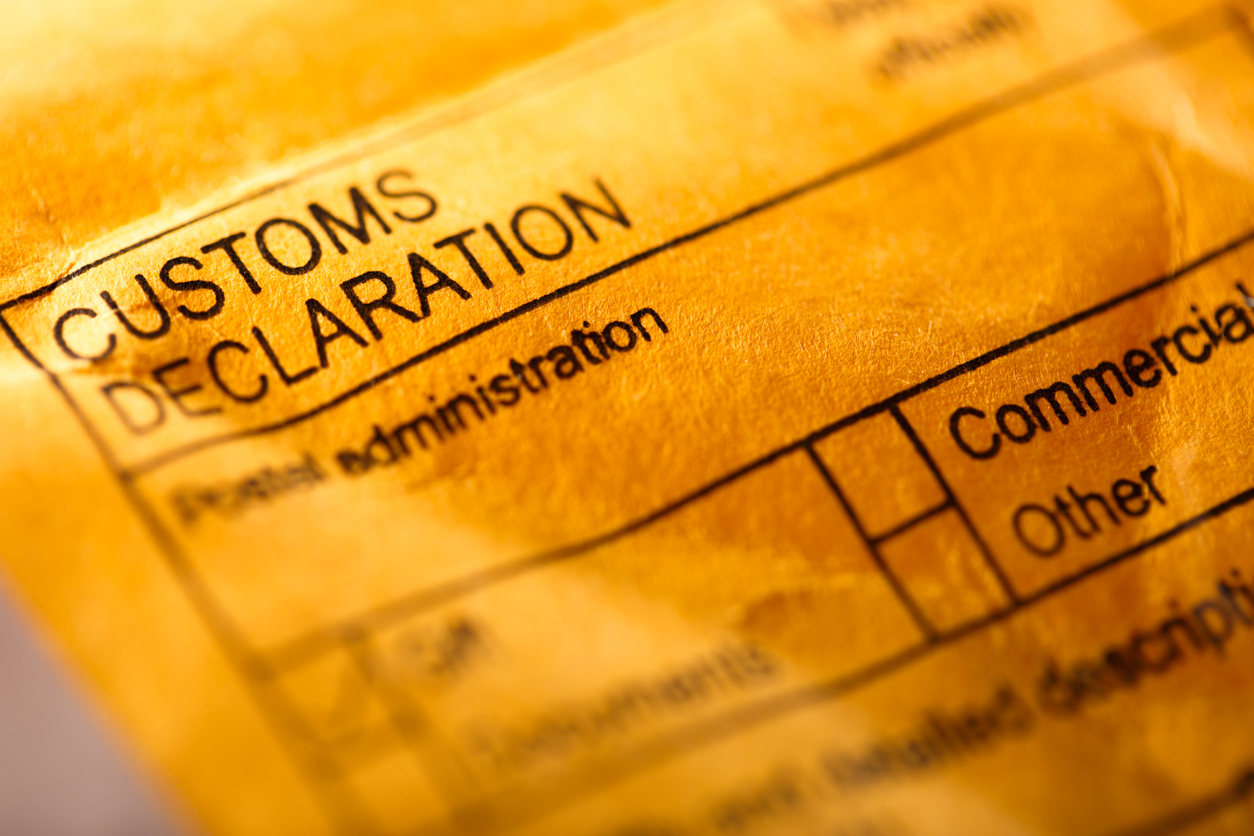
When goods arrive at a U.S. port of entry, an importer tells Customs where they came from, what they are, and what duties are owed. It is a declaration made under penalty of law. According to the U.S. Department of Justice, Ceratizit USA LLC spent years getting that declaration wrong—on purpose, and at a significant profit.
On December 18, 2025, the DOJ announced that Ceratizit USA LLC, a Charlotte, North Carolina-based distributor of tungsten carbide products, agreed to pay $54.4 million to resolve allegations that it violated the False Claims Act by failing to pay duties owed on products imported from China.
The settlement is believed to be one of the largest customs-related False Claims Act resolutions in history. It also sent a clear message to importers navigating an era of aggressive tariff enforcement: the government is watching, and so are the people who work inside these supply chains.
The whistleblower was described in court documents as a long-time participant in the metalworking products industry with deep knowledge of Chinese production and sale of sintered tungsten carbide products. He will receive approximately $9.75 million as his share of the record-breaking recovery.
The Alleged Three-Part Scheme
Though Ceratizit denied the allegations claimed by the whistleblower, the government described a multi-layered customs fraud strategy that unfolded across nearly a decade.
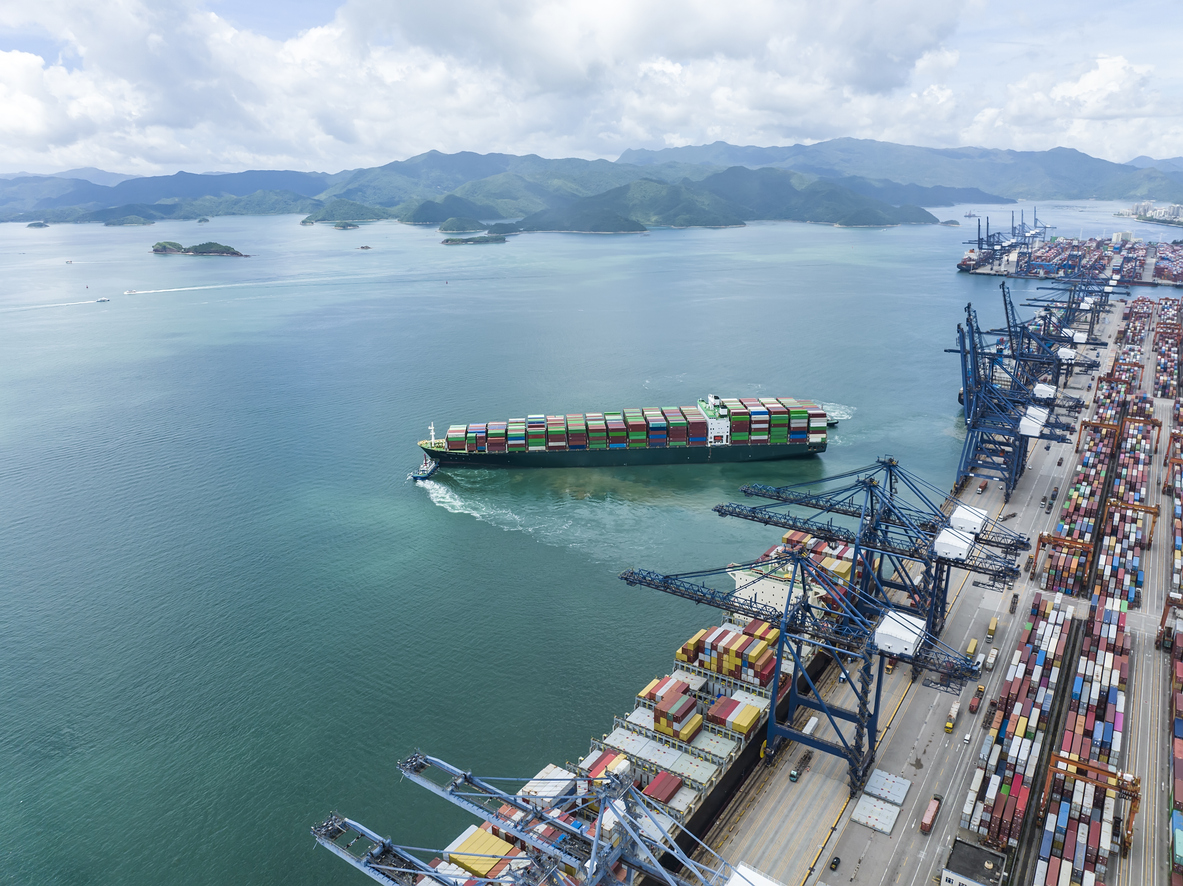
The alleged scheme involved transshipment fraud. According to the government, Ceratizit knew that the tungsten carbide products it imported were manufactured in China. However, it misdeclared them to U.S. Customs and Border Protection (CBP) as products originating in Taiwan to avoid paying Section 301 tariffs. This wrongful conduct allegedly ran from August 2020 through March 2024.
The scheme also involved misclassification fraud. Specifically, according to the whistleblower’s complaint, Ceratizit knowingly declared incorrect United States Harmonized Tariff Schedule (HTSUS) codes to its tungsten carbide products. This reduced the applicable duty rate to zero.
The Whistleblower Who Connected the Critical Dots
Complex transshipment fraud schemes like the one alleged here are notoriously difficult for CBP to detect without inside information. CBP processes millions of import entries each year. Without whistleblowers who understand how the supply chain actually operates, where goods are really manufactured, how they move, and what the paperwork should look like, these schemes can run for years before they come to light.
According to the qui tam complaint, the whistleblower described himself as intimately familiar with the Chinese tungsten carbide market, including the specific rods at issue. He discovered that Ceratizit had offshored the vast majority of its manufacturing to China between 1999 and 2003, despite the contradictory import record.
The whistleblower’s decision to come forward is a textbook illustration of why Congress created the False Claims Act’s qui tam provisions: to give people with insider knowledge both the legal standing and the financial incentive to come forward. For that contribution, he will receive approximately $9.75 million, a figure that reflects both the scale of the alleged fraud and the significance of the information he provided.
Under the False Claims Act, Evading Customs Duties Is Fraud
The False Claims Act imposes liability not only on those who submit false claims for payment, but also on those who knowingly avoid paying money owed to the United States. In customs cases, that obligation is unpaid duties. Misrepresenting the origin or classification of imported goods to reduce what is owed isn’t just a customs violation. Under the False Claims Act, it is fraud.
The consequences for Ceratizit exemplify the seriousness of the allegations it faced. The False Claims Act provides for treble damages and civil penalties per false entry.
Importers who assume that a customs penalty is the worst-case outcome have not accounted for what the False Claims Act can do.
A Significant Settlement in a New Enforcement Era
The Ceratizit resolution was announced the same day the DOJ and Department of Homeland Security unveiled the first enforcement actions from their newly launched cross-agency Trade Fraud Task Force. Formed in August 2025, the Task Force brings together prosecutors from the DOJ’s Civil and Criminal Divisions with investigators from U.S. Customs and Border Protection to pursue importers who seek to evade tariffs and other duties.
For Ceratizit, the settlement did not close the file. DOJ expressly reserved the right to pursue criminal charges against the company or individuals involved even after the civil settlement was signed — a reservation that has become increasingly common in trade fraud resolutions and one that signals the government’s intent to preserve all of its options.
Who Can Blow the Whistle on Customs Fraud
Cases like Ceratizit’s are driven by people with direct access to the information that regulators cannot easily obtain on their own. The relator here was a metalworking industry professional who understood the supply chain deeply enough to raise a red flag.
But industry expertise is not a prerequisite. At Mark A. Strauss Law, we regularly speak with people who have come to suspect that an importer is gaming the system, including:
- Employees in logistics, purchasing, compliance, and finance
- Customs brokers and freight forwarders
- Domestic competitors undercut by a rival’s suspiciously low prices
- Overseas suppliers with direct knowledge of how goods are routed or relabeled before U.S. entry
What the Ceratizit Case Says to Someone on the Inside
Under the False Claims Act’s qui tam provisions, a whistleblower who files a successful case may receive between 15% and 30% of the government’s recovery. In the Ceratizit matter, that translated to a $9.75 million award for a single relator.
If you work in or around an import supply chain and something isn’t adding up, you may be sitting on exactly the same kind of information. The schemes change. The red flags don’t.
Talk to a Customs Fraud Whistleblower Attorney
At Mark A. Strauss Law, we represent whistleblowers worldwide in False Claims Act cases involving customs fraud. We offer free, confidential consultations to evaluate your claim, explain your rights, and help you plan your next steps. All communications with our firm are protected by the attorney-client privilege.
Fraud is their game. Integrity is yours.